
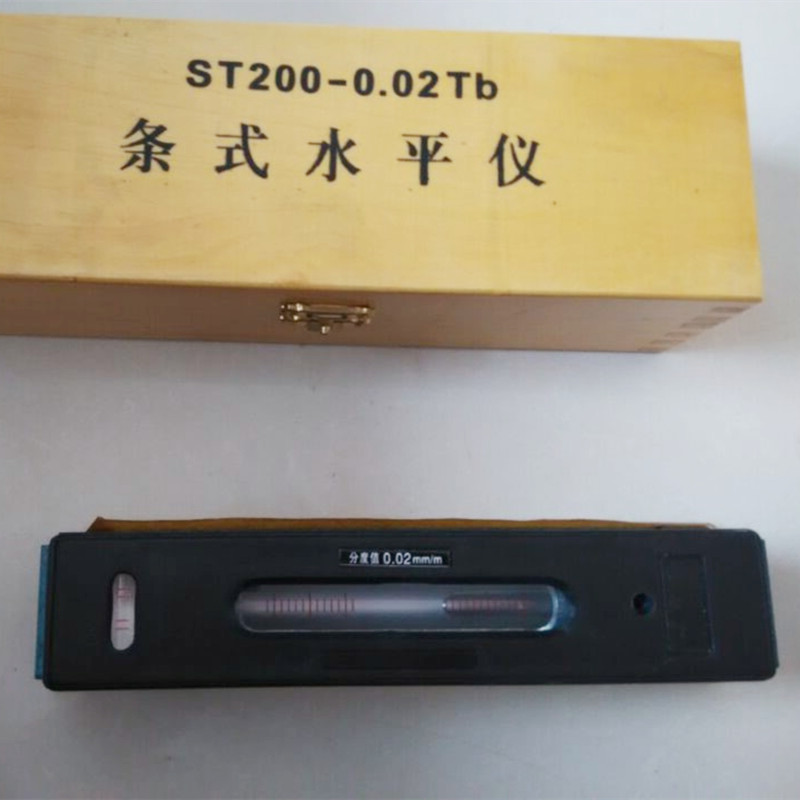
custom mirror panels
Gate valve, nebo také klapkový ventil, je jedním z nejběžnějších typů ventilů používaných v průmyslových aplikacích, kde je potřeba kontrolovat tok tekutin nebo plynů. Tento článek se zaměřuje na funkce, výhody a nevýhody gate ventilů, zejména v kontextu jejich použití v on-off aplikacích. Gate ventily jsou navrženy tak, aby poskytovaly minimální odpor proti toku, což je činí ideálním řešením pro aplikace, kde je potřeba plného otvoru, tedy maximálního průtoku. Tyto ventily jsou obvykle použitelné v širokém spektru médií, včetně vody, páry, olejů a plynu. Jejich konstrukce se skládá z klapky, která se otáčí mezi otevřenou a zavřenou polohou, což umožňuje úplné uzavření nebo plné otevření ventilu. . Další výhodou gate ventilů je jejich jednoduchá konstrukce a snadná údržba. Většina gate ventilů může být snadno demontována a opravena, což je výhodné v situacích, kdy je potřeba provádět údržbu nebo výměny. Navíc, gate ventily jsou k dispozici v mnoha různých materiálech a velikostech, což umožňuje jejich použití v různých aplikacích a prostředích. gate valve on off Nicméně, gate ventily nejsou ideálním řešením pro všechny aplikace. Jejich hlavní nevýhodou je, že nejsou vhodné pro regulaci průtoku. Když jsou použity k částečnému otevření, mohou způsobit eroze a poškození klapky, což může vést k únikům a snížení účinnosti systému. Proto je důležité, aby byly gate ventily používány pouze v aplikacích, kde je požadováno buď plné otevření, nebo úplné uzavření. Další nevýhodou gate ventilů je, že vyžadují více prostoru pro instalaci než jiné typy ventilů, jako jsou kulové nebo kulové ventily. V aplikacích, kde je prostor omezen, může být obtížné správně umístit gate ventil. V závěru lze říci, že gate ventily jsou vynikajícím řešením pro on-off aplikace, kde je potřeba maximální průtok a minimální tlakové ztráty. Jejich jednoduchá konstrukce, snadná údržba a variabilita použití z nich činí oblíbenou volbu v mnoha průmyslových odvětvích. Nicméně je důležité mít na paměti jejich nevýhody, zejména pokud jde o regulaci a prostorové nároky. Před výběrem správného typu ventilu pro konkrétní aplikaci je proto vždy nutné pečlivě zvážit všechny faktory.
about
custom mirror panels
The Importance of Machine Vibration Pads in Industrial Applications In the world of industrial machinery, the importance of minimizing vibration cannot be overstated. Excessive vibration can lead to equipment wear, reduced efficiency, and increased maintenance costs. One effective solution to mitigate these issues is the use of machine vibration pads. This article explores the significance of vibration pads, their types, benefits, and applications across various industries. Understanding Machine Vibration Before delving into the specifics of vibration pads, it's crucial to understand the concept of machine vibration itself. Vibration occurs when a machine deviates from its equilibrium position, which can be caused by imbalances in rotating parts, uneven surfaces, or external forces. While some vibration is normal in machinery, excessive or uncontrolled vibration can lead to catastrophic failures. What Are Machine Vibration Pads? Machine vibration pads, also known as vibration isolation pads or vibration dampening pads, are materials designed to absorb and reduce vibrations produced by machinery. They function by providing a cushion between the machine and the surface it rests on, effectively isolating the vibrations generated during operation. These pads are typically made from materials such as rubber, neoprene, or polyurethane, which possess excellent elasticity and damping properties. Types of Vibration Pads There are several types of machine vibration pads, each suited to different industrial applications 1. Rubber Vibration Pads These are the most common type used in various applications. They are effective at reducing vibrations and are relatively inexpensive. Rubber pads are often used in commercial buildings, HVAC systems, and machinery. 2. Foam Vibration Pads Made from dense foam, these pads are excellent for sound dampening as well as vibration isolation. They are lightweight and can be useful in areas where weight is a concern. 3. Gel Pads These pads provide superior vibration isolation due to their unique gel composition. They are typically used in sensitive equipment installations, such as medical devices and precision instruments. 4. Spring Isolators This type uses a combination of springs and pads to absorb vibrations. They are especially effective in heavy machinery applications where there are constant vibrations. Benefits of Using Vibration Pads Implementing machine vibration pads offers numerous advantages machine vibration pads 1. Enhanced Equipment Life By minimizing wear and tear, these pads help extend the life of machinery and reduce the frequency of repairs. 2. Improved Operational Efficiency Reducing vibrations allows machines to run more smoothly, enhancing their performance and efficiency. 3. Noise Reduction Vibration pads also help to dampen noise generated by machinery, creating a safer and more pleasant working environment. 4. Increased Safety Vibrations can lead to the destabilization of machinery and pose risks to operators. Vibration pads help maintain stability and safety in the workplace. 5. Cost Savings Though there is an initial investment in vibration pads, the long-term savings through reduced maintenance and enhanced equipment longevity can be significant. Applications Across Industries Machine vibration pads find applications in numerous sectors, including - Manufacturing Used on assembly lines and machinery to reduce vibrations caused by moving parts. - Construction Helps to isolate vibrations from heavy machinery and prevent structural damage to surrounding buildings. - HVAC Systems Vibration pads are commonly used under HVAC units to minimize noise and vibrations transmitted through building structures. - Transportation They are employed in vehicles and trains to enhance passenger comfort by reducing vibration transfer. - Electronics Sensitive electronics and precision instruments rely on vibration pads to maintain accuracy and functionality. Conclusion In conclusion, machine vibration pads play a critical role in modern industrial applications by isolating vibrations and enhancing the longevity and efficiency of machinery. With a variety of types available to suit different industrial needs, the benefits of using vibration pads extend beyond just equipment maintenance; they also contribute to a safer, quieter, and more efficient work environment. As industries continue to evolve, the importance of effective vibration control through pads will undoubtedly remain a crucial consideration for engineers and operators alike.
-

High quality industrial productsagement

High quality industrial products
View Details -

Meet the diverse needs of customers

Meet the diverse needs of customers
View Details -

Strict quality control

Strict quality control
View Details -

Top raw materials

Top raw materials
View Details -

Trusted supplier

Trusted supplier
View Details
Our application

news and information
Water Hose Shutoff Valve for Efficient Flow Control and Leak Prevention
Water Hose Shut Off Valve A Necessary Tool for Efficient Water Management Water is one of the most p
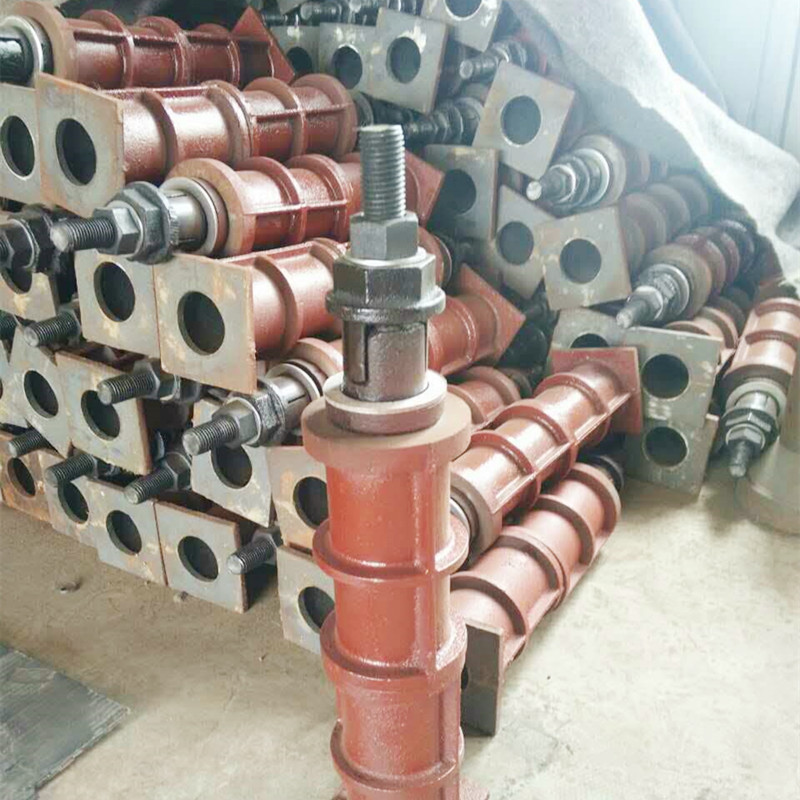
Válvula de retención de 25 mm para sistemas de plomería y fluidos industriales
25mm check valve .
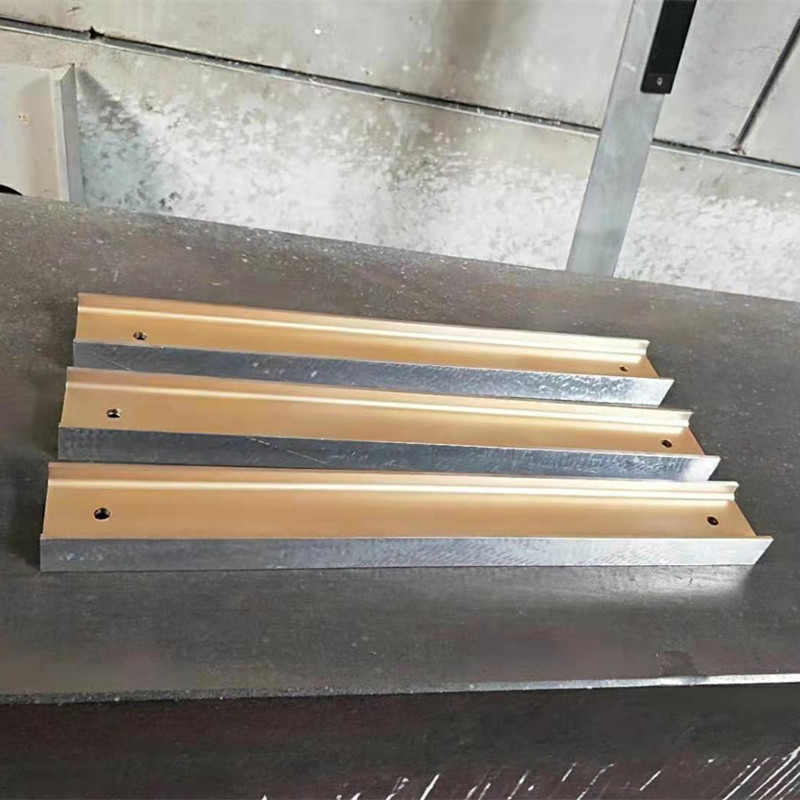
Versatile Metal Angle Ruler for Precision Measurements and Projects
The Versatility of the Metal Angle Ruler in Precision Measurement In the world of craftsmanship, eng
 English